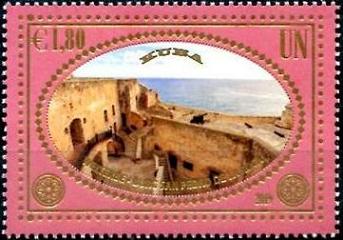
Cuba – Historic Centre of Camagüey
One of the first seven villages
founded by the Spaniards in Cuba, Camagüey played a prominent role as the urban
centre of an inland territory dedicated to cattle breeding and the sugar
industry. Settled in its current location in 1528, the town developed on the
basis of an irregular urban pattern that contains a system of large and minor
squares, serpentine streets, alleys and irregular urban blocks, highly
exceptional for Latin American colonial towns located in plain territories. The
54 ha Historic Centre of Camagüey constitutes an exceptional example of a
traditional urban settlement relatively isolated from main trade routes. The
Spanish colonizers followed medieval European influences in terms of urban
layout and traditional construction techniques brought to the Americas by their
masons and construction masters. The property reflects the influence of
numerous styles through the ages: neoclassical, eclectic, Art Deco,
Neo-colonial as well as some Art Nouveau and rationalism.
Cuba –
Centre historique de Camagüey
Camagüey
- un des sept premiers villages fondés par les Espagnols à Cuba - a joué un
rôle de premier plan en tant que centre urbain d’un territoire consacré à
l’élevage et à l’industrie sucrière. Installée à son emplacement actuel en
1528, la ville s’est développée sur la base d’un tracé urbain irrégulier qui
comprend un système de places et de placettes, de rues et de ruelles sinueuses
et de pâtés de maisons irréguliers, très peu courant dans l’Amérique latine
coloniale. Le centre historique de Camagüey, couvrant 54 ha, constitue un
exemple exceptionnel d’installation urbaine traditionnelle relativement isolée
des routes principales. Les colons espagnols étaient soumis aux influences
urbaines médiévales européennes, visibles dans le tracé urbain, ainsi qu’aux
techniques traditionnelles de construction, apportées aux Amériques par les
premiers maçons et maîtres constructeurs. Le site reflète l’influence de
nombreux styles, apparus à différents stades de son développement :
néoclassique, éclectique, Art déco, néocolonial et, dans une moindre mesure,
Art nouveau et rationaliste.
Cuba – Centro histórico de Camagüey
Camagüey es una de las siete primeras
poblaciones fundadas por los españoles en Cuba. Esta ciudad desempeñó un papel
de primer plano en su calidad de centro urbano de un territorio dedicado
esencialmente a la ganadería y la industria azucarera. Fundada en 1528 en su
emplazamiento actual, la ciudad se fue desarrollando a partir de un esquema
urbanístico irregular constituido por una red de plazas, plazuelas, calles
serpenteantes y manzanas irregulares de casas, que es muy poco común en las
ciudades coloniales de América Latina situadas en terreno llano. El centro
histórico de Camagüey abarca 54 hectáreas y es un ejemplo excepcional de
asentamiento urbano tradicional relativamente apartado de las principales rutas
comerciales. La influencia de la arquitectura y el urbanismo de la Europa
medieval es patente en el trazado urbano y las técnicas de construcción traídas
a América por los albañiles y maestros de obras de los colonizadores españoles.
En los edificios del sitio ha quedado plasmado, a lo largo del tiempo, el sello
de numerosos estilos artísticos: neoclásico, ecléctico, neocolonial y “Art
Déco”, principalmente. También hay algunas construcciones inspiradas en el “Art
Nouveau” y el racionalismo.
Kuba – Historisches Zentrum von Camagüey
Camagüey, eines der sieben von den
Spaniern in Kuba am ersten gegründeten Dörfer, hat eine Hauptrolle als
Hauptstadt eines Zucht und Zuckerindustrie gewidmeten Landes gespielt. Die am
heutigen Ort im Jahre 1528 gegründete Stadt hat sich gemäß eines unregelmäßigen
Grundrisses entwickelt, der eine in kolonialem Südamerika sehr ungewöhnliche
Reihe von Plätzen, Straßen, gewundenen Gässchen und unregelmäßigen
Häuserblocken enthält. Das 54 Hektaren große historische Zentrum von Camagüey
ist ein außerordentliches Beispiel traditioneller Einsiedlung in einem relativ
von den Hauptstraßen abgelegenen Ort. Die spanischen Kolonisten sind von der im
Grundriss der Stadt sichtbaren Planung der mittelalterlichen europäischen
Städten sowie der traditionellen Bautechniken beeinflußt worden, die von den
ersten Maurern und Baumeistern in Amerika eingeführt worden waren. Die Stätte
zeigt den Einfluss mehrerer Stile, die progressiv in der Entwicklung der Stadt
eingeführt worden sind: Neoklassismus, Eklektizismus, Art deco, neokoloniale
Kunst und in einem geringeren Maß Art nouveau und Rationalismus.
مركز كاماغواي التاريخي - كوبا
تشكل كاماغواي إحدى أولى القرى السبع التي
أنشأها الإسبان في كوبا، وقد لعبت دوراً بارزاً كمركز حضري قائم في منطقة مخصصة لتربية
الماشية وصناعة السكر. تأسست البلدة في موقعها الحالي عام 1528، وتطورت تبعاً لنمط
حضري غير منتظم قائم على مجموعة من الساحات والميادين الكبرى والثانوية، والشوارع الالتفافية،
والأزقة والمباني الحضرية غير المتساوية، وهو أمر استثنائي في المدن الاستعمارية لأمريكا
اللاتينية في الأراضي المنبسطة. كما يشكل مركز كاماغواي التاريخي (54 هكتاراً) مثلاً
استثنائياً لمستوطنة حضرية تقليدية معزولة نسبياً عن الطرق التجارية الرئيسية. وقد
تأثر المستعمرون الإسبان بالأسلوب الأوروبي العائد إلى القرون الوسطى في التصميم الحضري
وتقنيات البناء التقليدية التي جاء بها البناؤون ومعلِّمو البناء إلى الأمريكتين. يعكس
الموقع تأثير أساليب متعددة عبر الأزمنة: الكلاسيكي الحديث، والآرت ديكو، والكولونيالي
الحديث، وبعض الفن الحديث والمذهب العقلي.
古巴 – 卡马圭历史中心
卡马圭是西班牙人在古巴建立的七个最早的村庄之一,作为一个以畜牧业和制糖业为主的领地的城市中心,扮演了重要角色。1528年,城市在现址定居,发展基于不规则的城市布局,包括广场和广场、蜿蜒的街道和小巷,以及不规则的街区,这在殖民时期的拉丁美洲非常罕见。卡马圭历史中心占地54公顷,是一个传统城市定居点的杰出典范,相对远离主干道。西班牙定居者受到中世纪欧洲城市影响,这些影响体现在城市布局中,同时也受到早期石匠和建筑师带来的传统建筑技术的影响。该地体现了多种风格的影响,这些风格在其发展的不同阶段出现:新古典主义、折衷主义、装饰艺术、新殖民主义,以及较小程度的新艺术和理性主义。
Куба - Исторический центр Камагуэя
Один из первых семи испанских поселений на Кубе, Камагуэй, был и наиболее
значимым из них, так
как выполнял функцию центрального населенного пункта внутренней территории, ориентированной на развитие животноводства и сахарной
промышленности. Современное месторасположение города определилось в 1528 году. Городской ландшафт развивался хаотично, его
главные элементы - большие
и малые площади, улицы
и извилистые переулки, беспорядочные
городские постройки и комплексы. Исторический центр Камагуэя площадью в 54 га – уникальный пример традиционного городского поселения в относительной
удаленности от главных торговых путей. Влияние
европейских средневековых традиций, которыми
руководствовались испанские завоеватели, проявляется в городской
планировке и строительных
методах, попавших в Америку
с испанскими каменщиками и строителями. Архитектура города во многом эклектична и отражает
влияние различных эпох и стилей, например, неоклассического, декоративного, неоколониального, и, в
меньшей степени, стиля
модерн и рационалистического.
キューバ - カマグェイの歴史地区
キューバ南東部に位置するカマグェイは、16世紀にこの国に移住したスペイン人が最初に作った七つの村の一つ。以来、牛の飼育と製糖業が盛んな内陸部の中心都市に発展し、キューバ経済に重要な役割を果たした。この都市は、他のラテンアメリカの植民都市とは異なり、大小の広場と入り組んだ路地などが区画整備されずに発展したことが大きな特徴。また、主要な交易路から比較的離れていることも、他の植民都市とは趣を異にする。新古典様式、折衷様式、アール・デコ、アール・ヌーボーなど、多くの様式の影響を受けた建築が残るこの都市は、規則的な都市設計が採用される以前の、初期の植民都市の様相を示す。
Cuba -
Historisch centrum van Camagüey
Camagüey is een van de eerste
zeven dorpen die de Spanjaarden stichtten in Cuba. Het ontwikkelde zich tot het
prominente stedelijk centrum van een binnengebied met veeteelt en
suikerindustrie. In 1928 ontwikkelde de stad zich op basis van een onregelmatig
stedelijk patroon met een systeem van grote en kleine pleinen, kronkelende
straten, steegjes en onregelmatige stedelijke wijken, zeer uitzonderlijk voor
een Latijns-Amerikaanse koloniale stad. De stad weerspiegelt tal van stijlen: neoklassiek,
eclectisch, art deco, Neokoloniaal, Art Nouveau en rationalisme. Het historisch
centrum van Camagüey is 54 hectare groot en is een uitzonderlijk voorbeeld van
een traditioneel stedelijke nederzetting, die relatief geïsoleerd is van de
belangrijkste handelsroutes.